
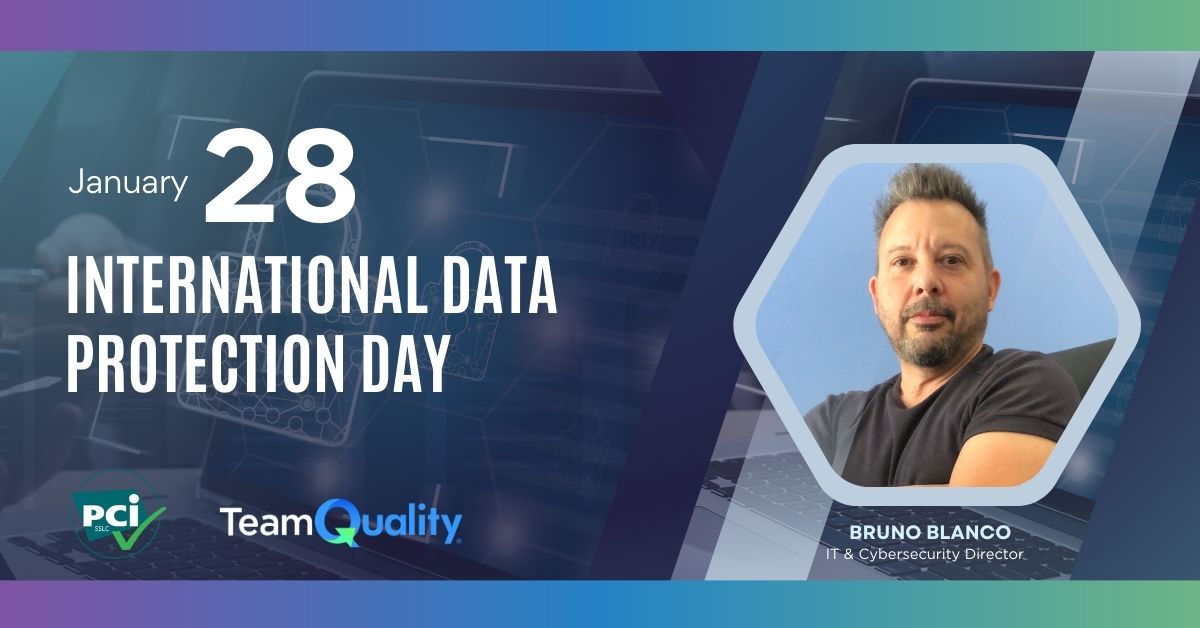
In digital payments, data is not just information — it is responsibility.
Every transaction involves sensitive data that must be protected comprehensively. Security is not an optional feature; it is a structural pillar of the payments ecosystem, essential to maintaining trust among users, merchants, fintechs, and financial institutions.
Data Protection Across the Payments Ecosystem
The rapid growth of electronic payments and financial digitalization demands strong standards and best-practice frameworks that bring structure to the ecosystem and reduce risk exposure.
Standards and mechanisms such as PCI compliance, tokenization, and credential protection frameworks help:
- Minimize exposure of sensitive data
- Reduce attack surfaces
- Strengthen regulatory compliance
- Enhance traceability and operational control
These mechanisms not only mitigate risk, but also contribute to building more secure and resilient payment infrastructures across the entire value chain.
Security by Design in Core Payment Platforms
From Team Quality Corp, Bruno Blanco, Director of IT and Cybersecurity, shares a technical perspective on this approach:
“Protecting data in payment platforms is not limited to meeting a standard. It involves designing architectures where security runs across processes, operations, and technology, reducing risk exposure without impacting performance or user experience.”
This security-by-design approach ensures that protection mechanisms are embedded into the core architecture of payment platforms, making security proactive rather than reactive.
Trust as a Strategic Asset
Ultimately, trust remains the most valuable asset in the payments industry. It is built through responsible decisions about how core platforms are designed, implemented, and operated.
In an increasingly digital and dynamic environment, protecting data is not only a regulatory requirement — it is a fundamental condition for the sustainability and long-term evolution of the financial ecosystem.